the korean brand economy
In Seoul, the product comes last.
scroll ↓
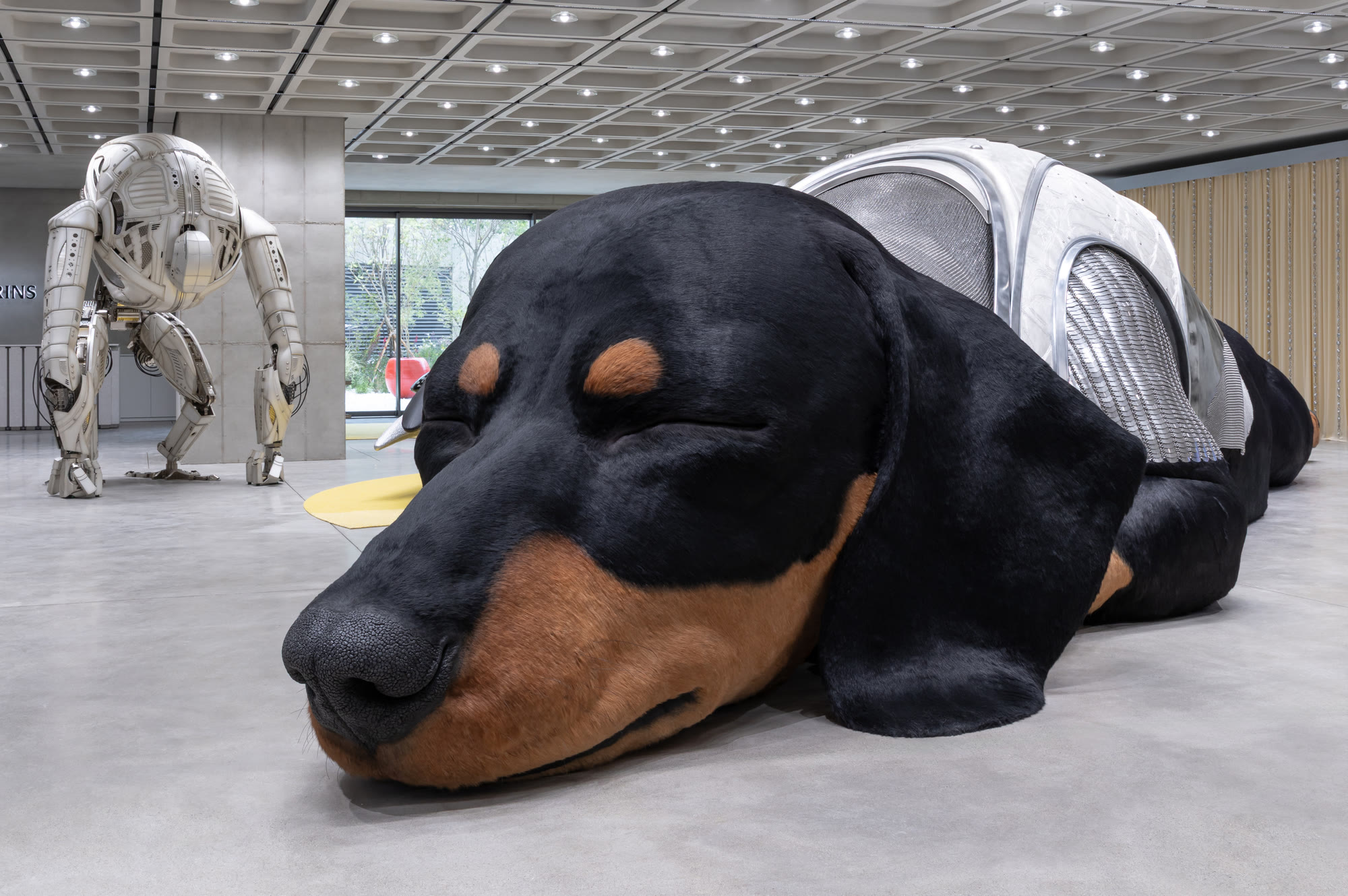 the glasses: one floor up ↑
The store is the product.
Gentle Monster’s headquarters is a 13-storey building with robots and a giant sleeping dog. People queue to walk through it, and the glasses are almost an afterthought.
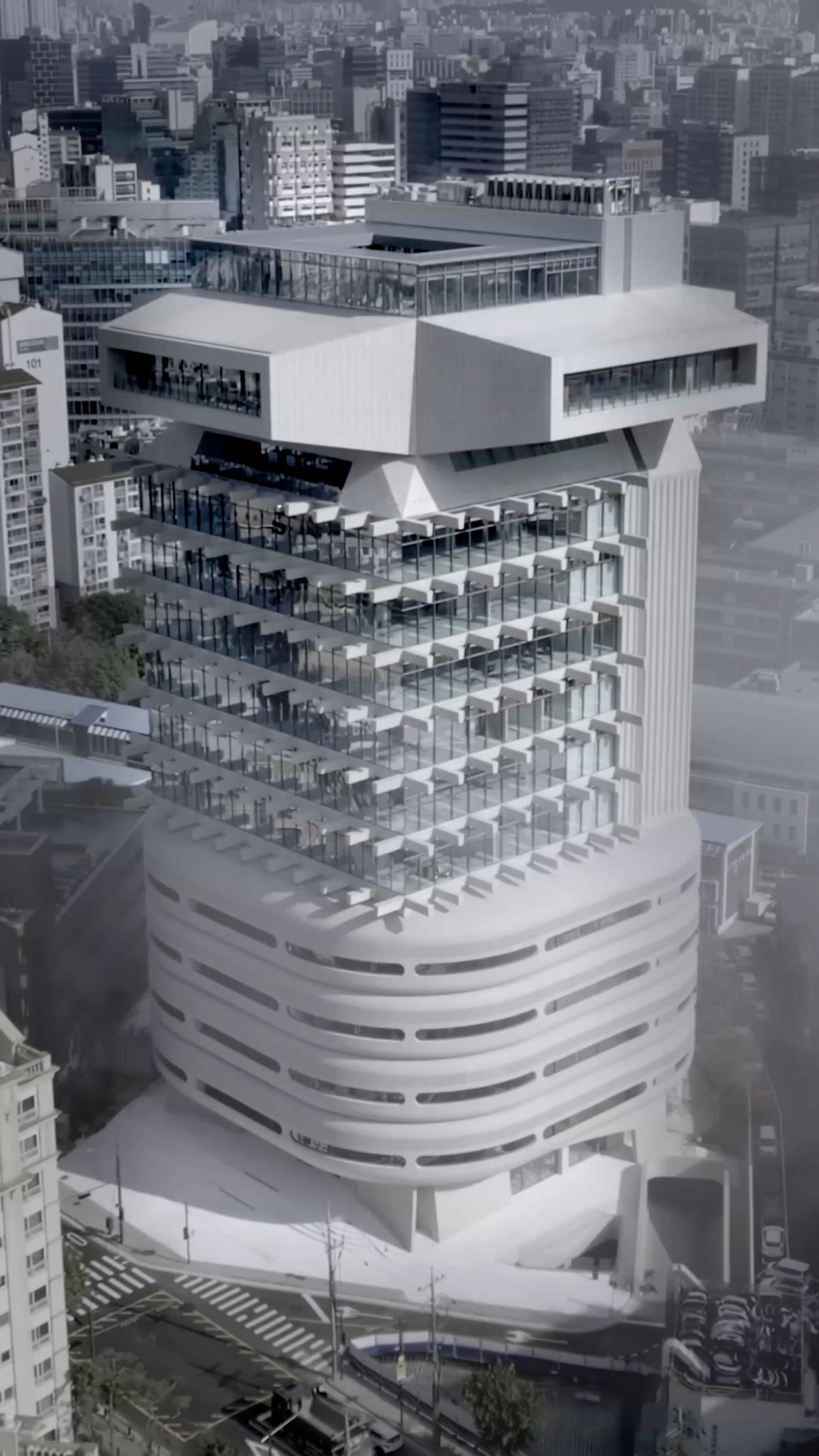 haus nowhere, seongsu
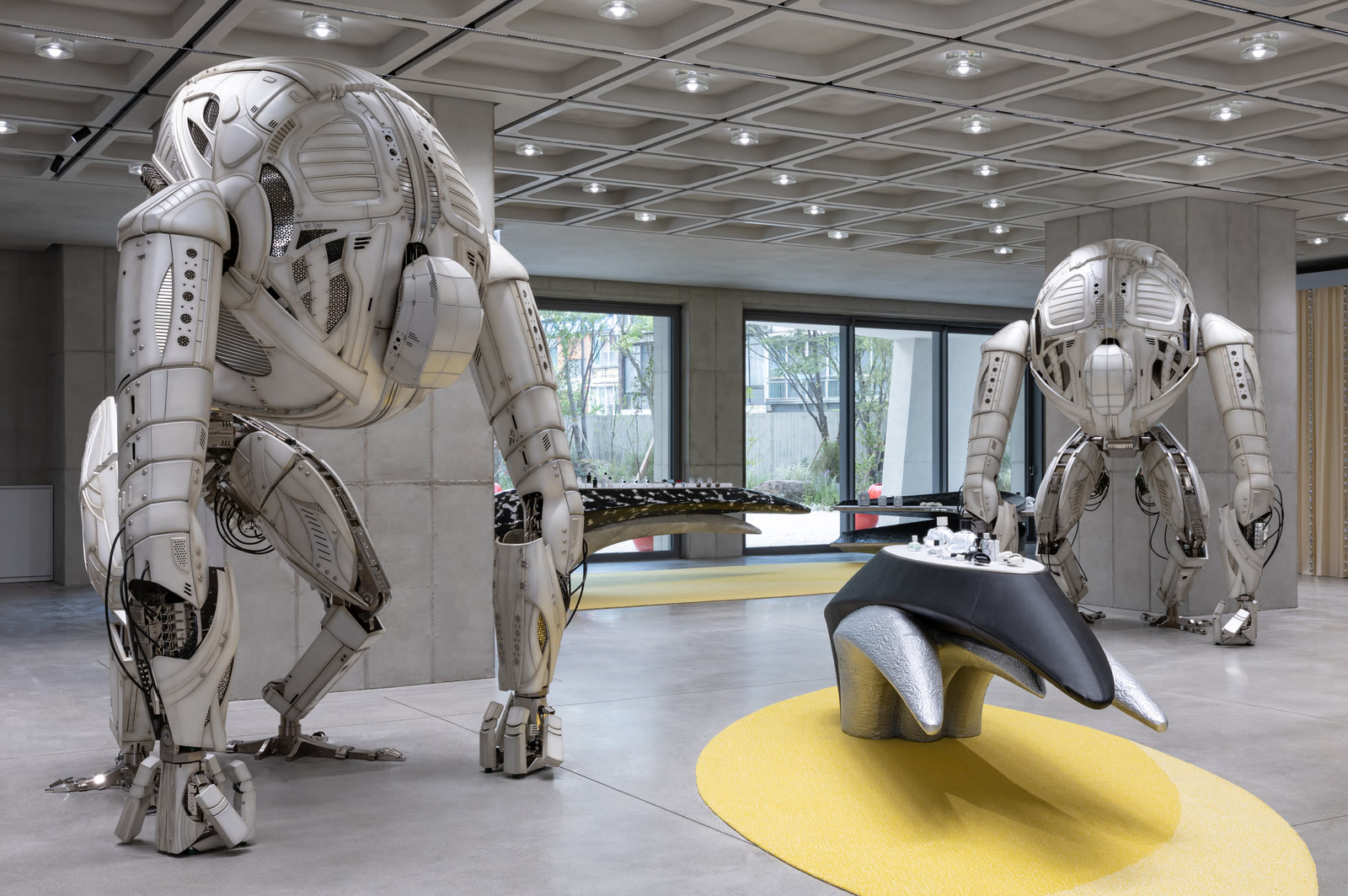 ground floor
Then they put the same world on anything.
Glasses, then perfume, then hats with stockings worn on the head. Tamburins and ATiiSSU share this slide, because the point is the pattern, not either brand.

glasses
gentle monster
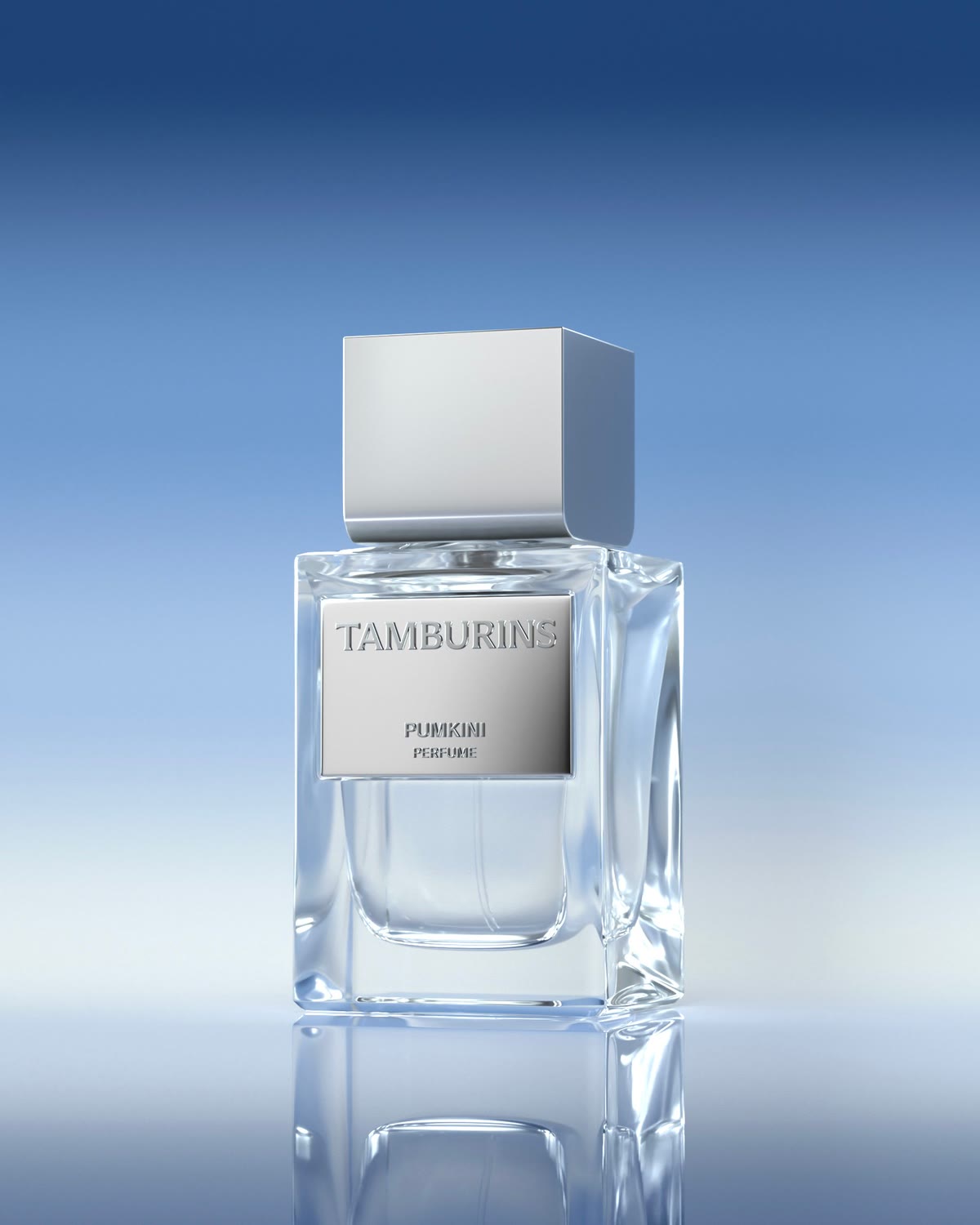
perfume
tamburins
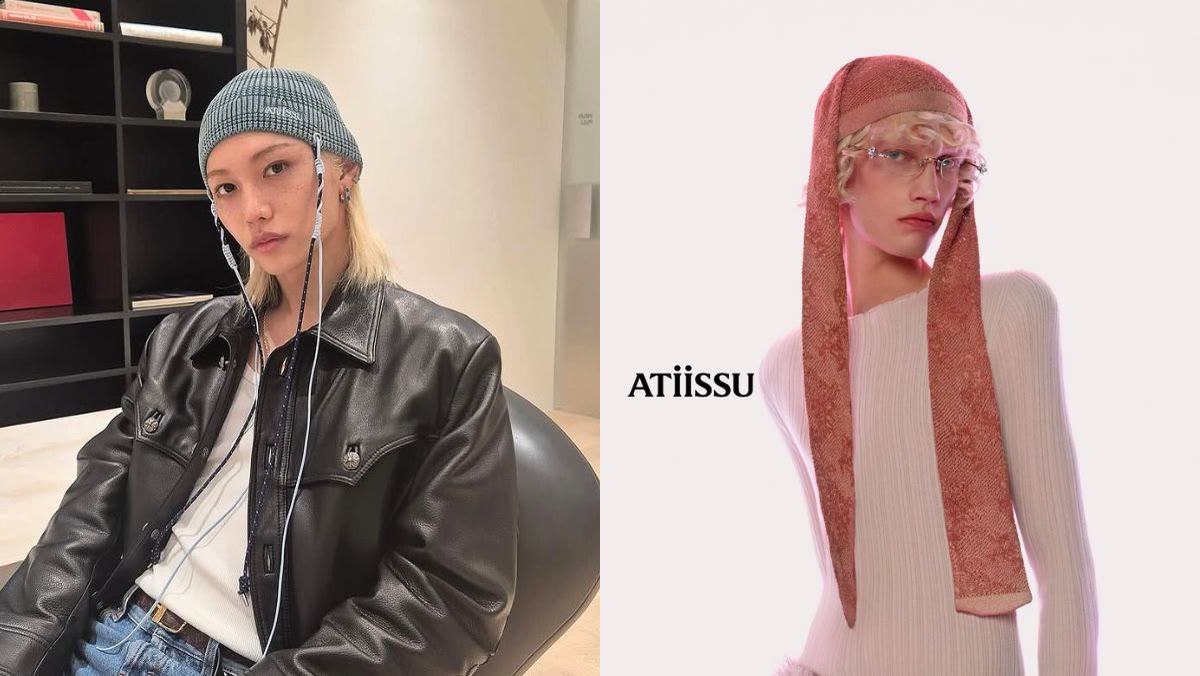
stockings, on your head
atiissu
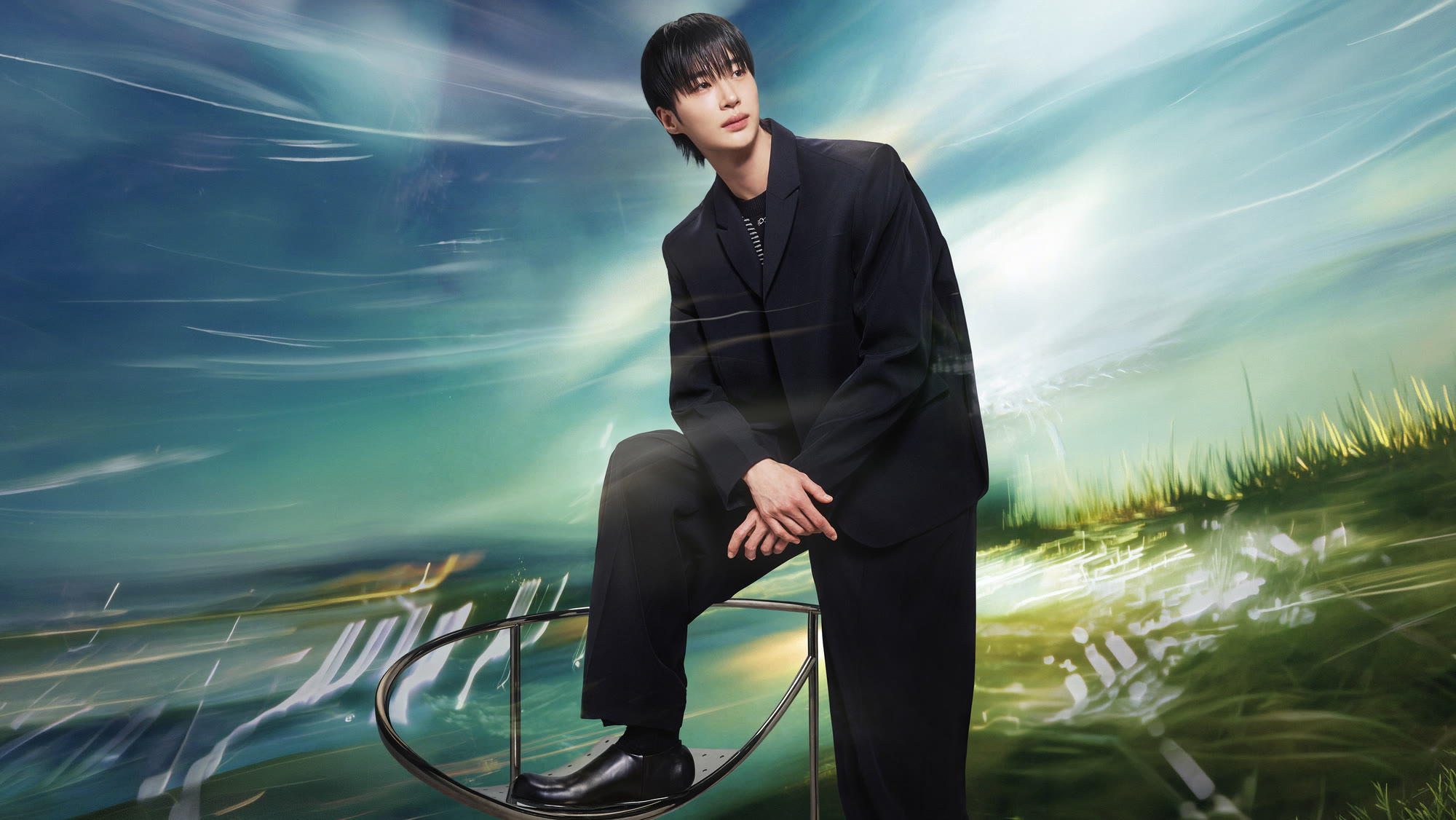

You don’t even need a face.
Ader Error is run by an anonymous collective, has no founder story, and opened a pastry shop next to its clothes. The brand is the only celebrity.
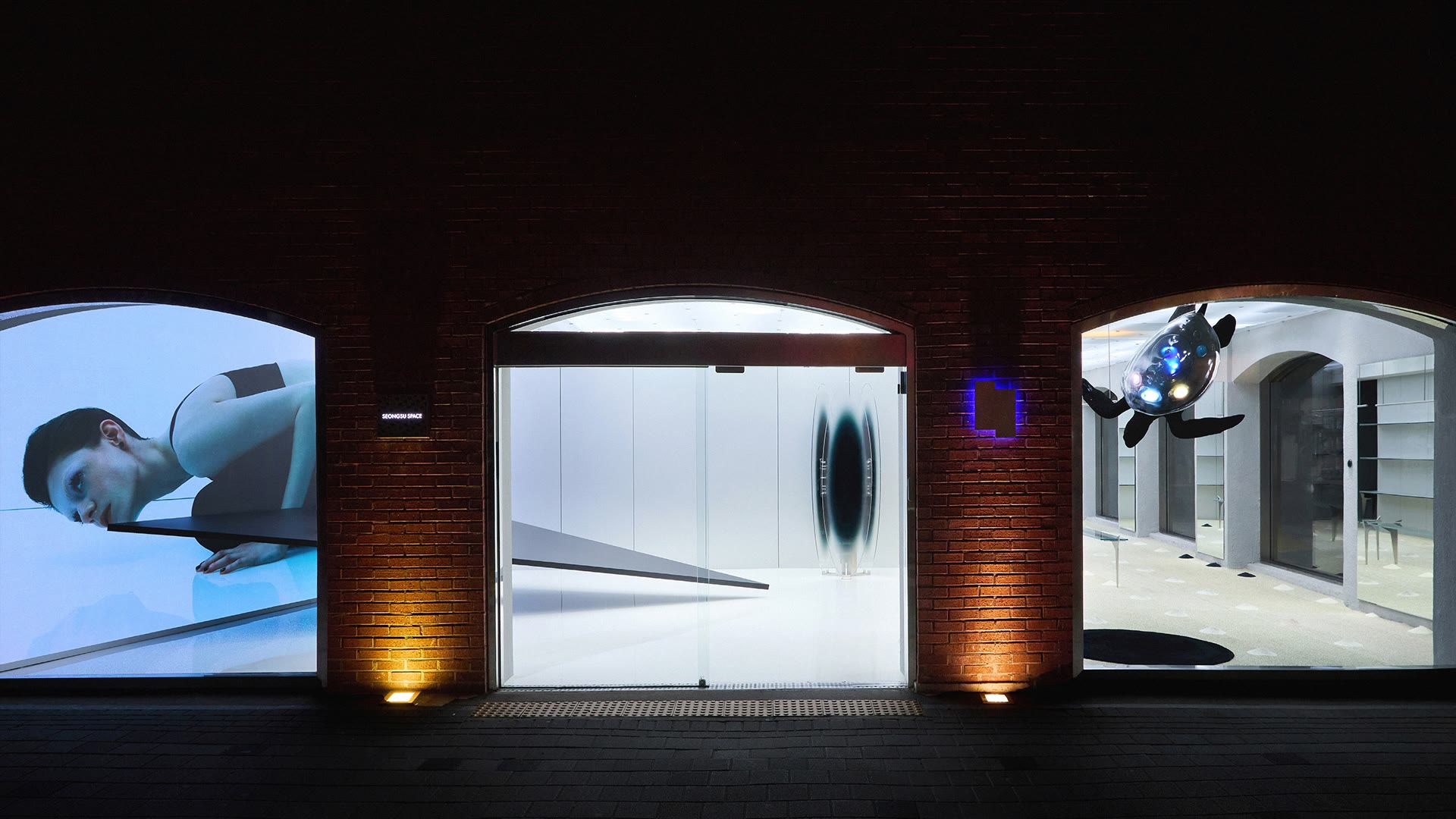 ader seongsu space
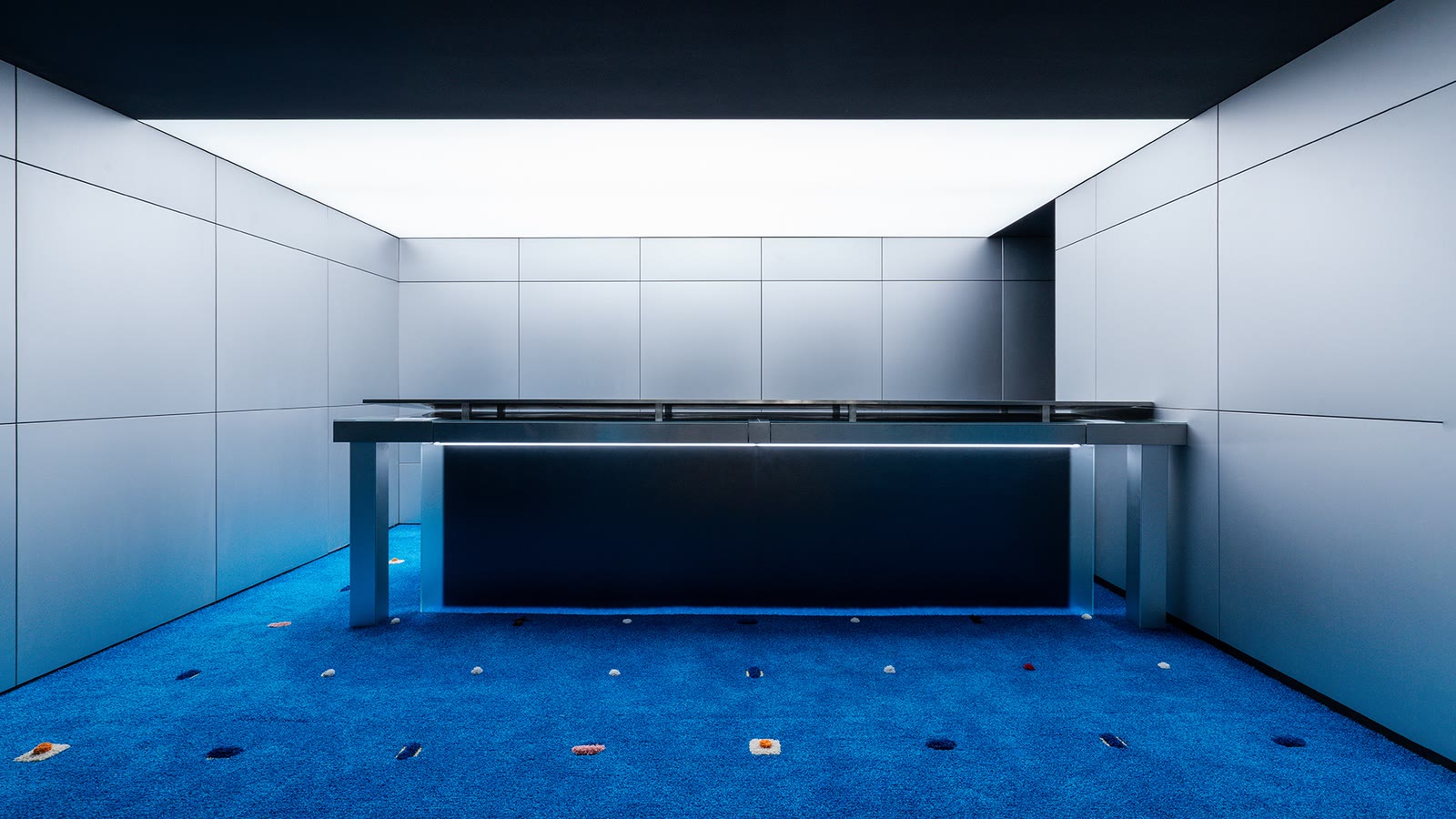 flagship, inside
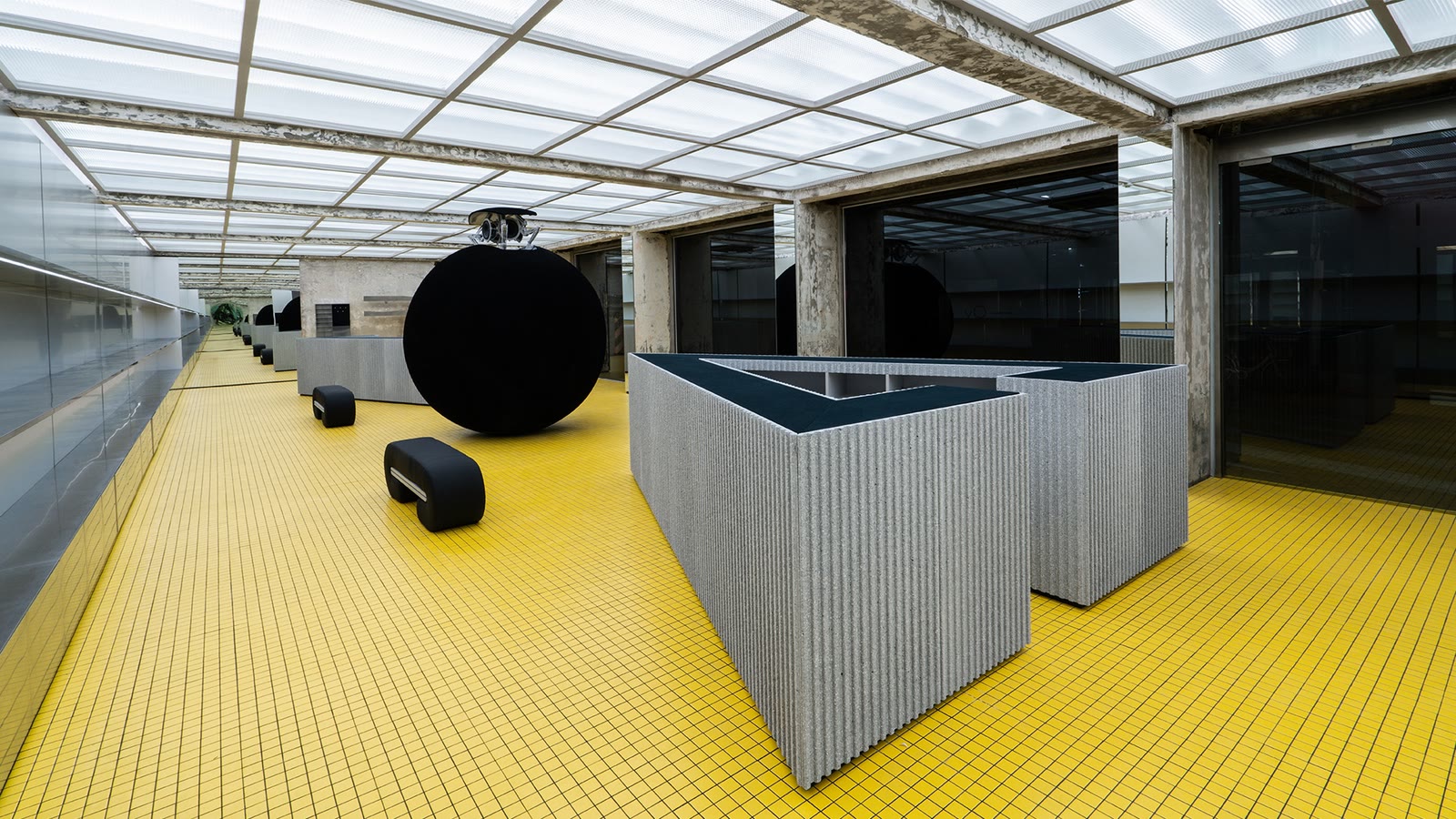 ov shop, seongsu
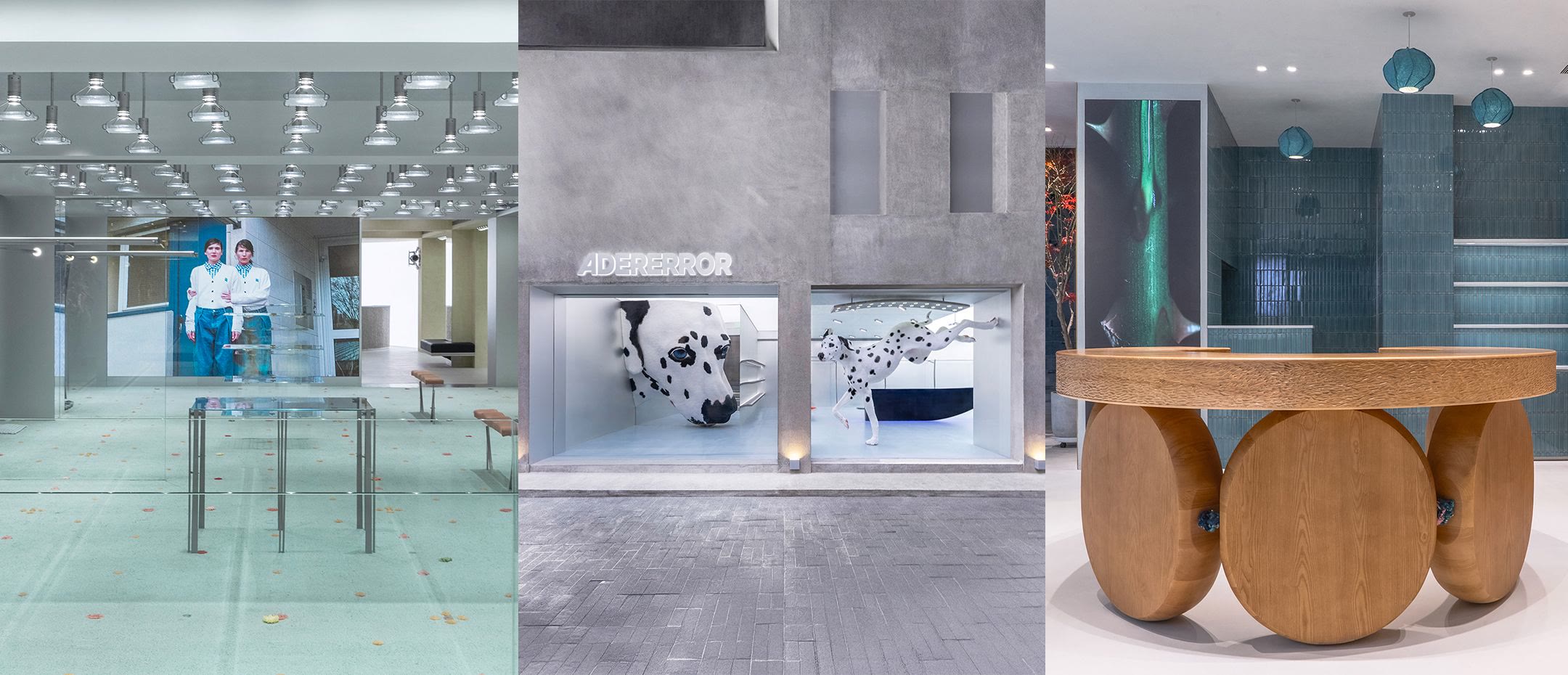 shanghai
of sales at 29CM’s Seongsu store came from foreign shoppers, March to May 2026. Roughly half the shoppers in the photo are yellow.
The shop became a destination too.
29CM runs its shop like a magazine, and Musinsa turned Seongsu into a tourist circuit. If you use one number in the whole post, use the one here: foreigners make up roughly half the sales in these stores. Shopping is now sightseeing.
Worlds wear out.
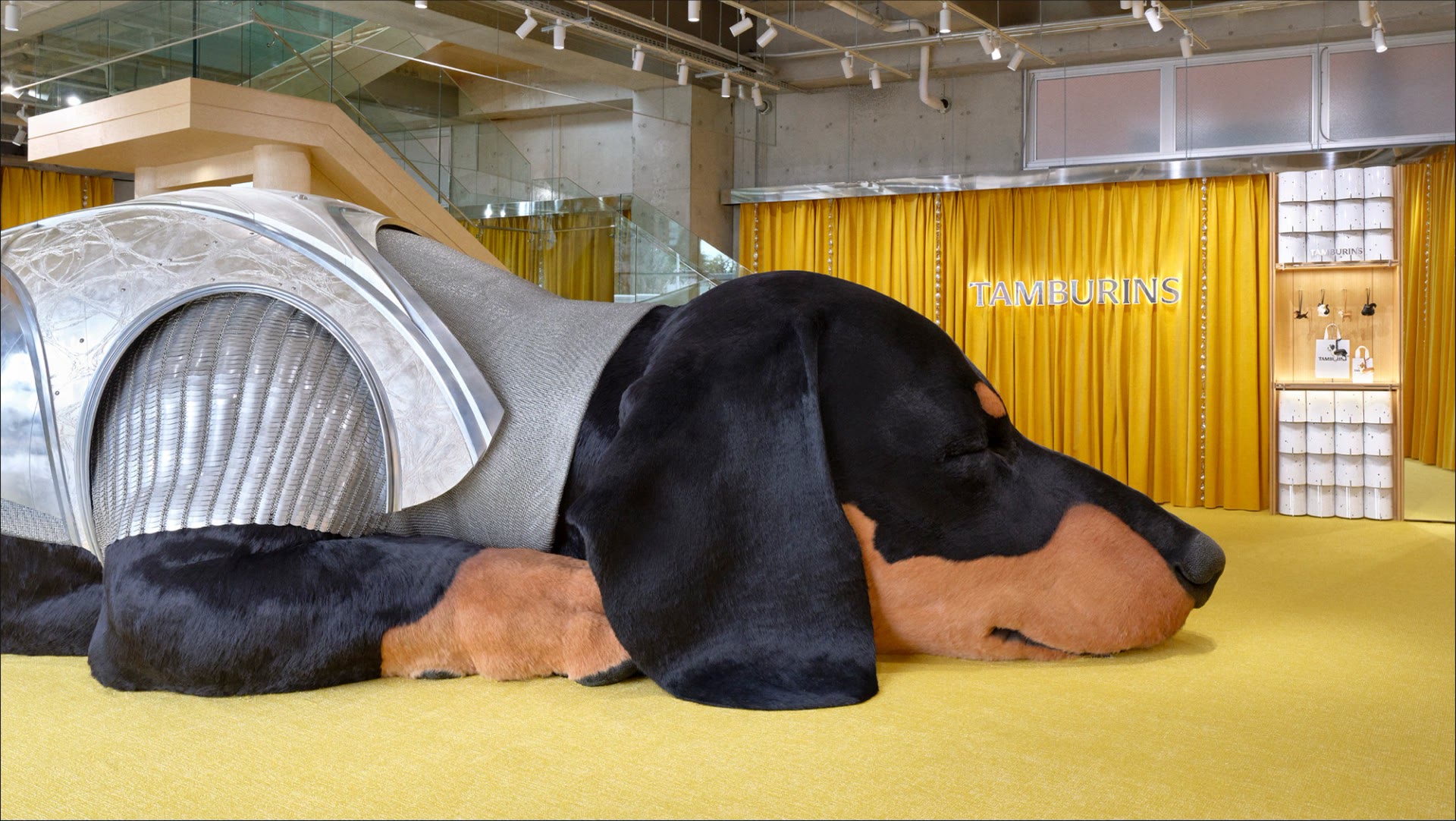
Last year Gentle Monster’s sales fell for the first time in five years. Copycats now clone the frames and the stores, so the spectacle has to keep getting bigger, and the newest Tamburins store is built around a 13-metre robot dog. This is the slide that makes the post smart rather than fan content.
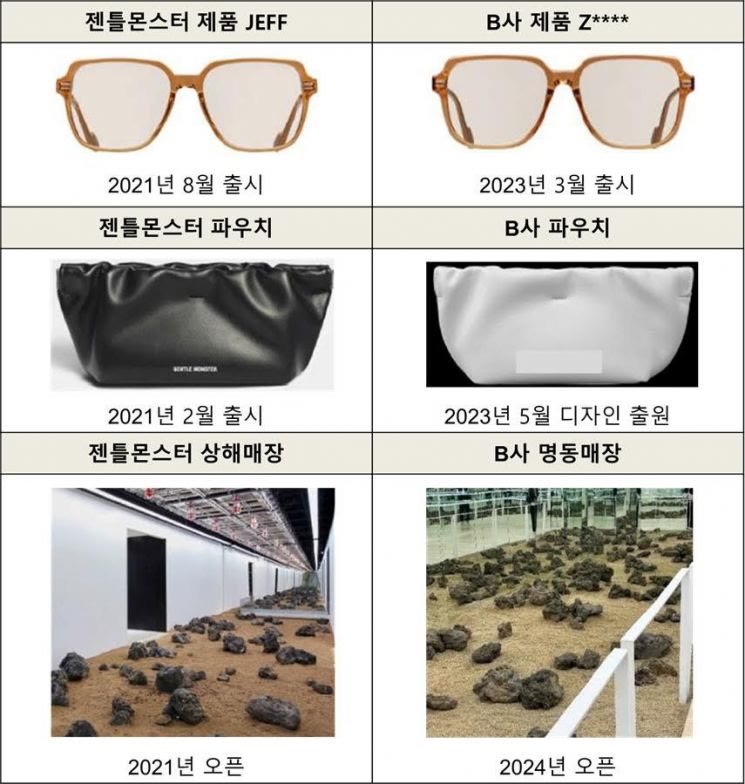
The end point: shopping where the product never comes.
Dopamine sites let you browse, fill a cart, check out and track a courier for food that never arrives.
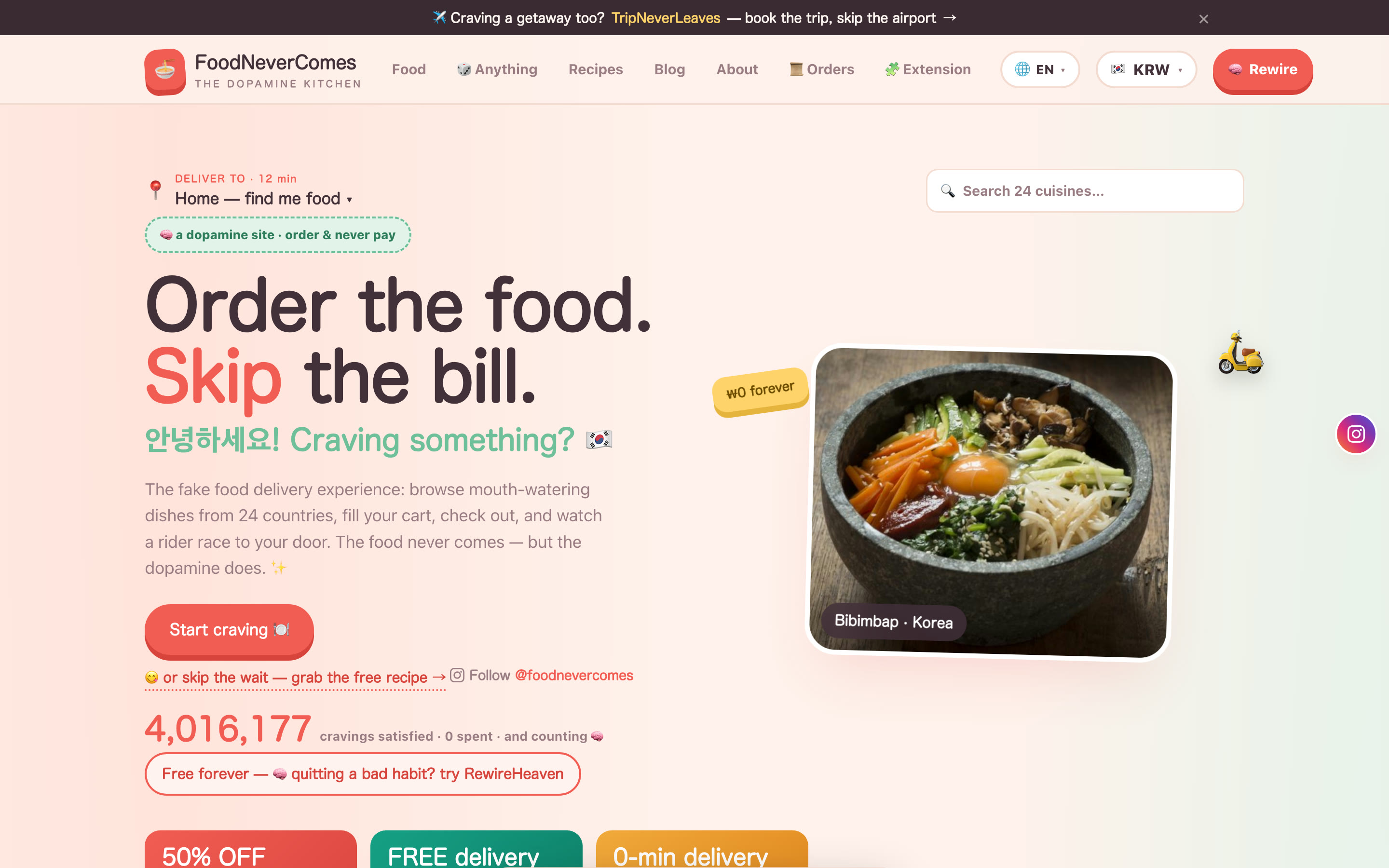
Bibimbap · Korea
₩0 · try it
In Seoul the product comes last, and now it doesn’t come at all.