Content is cheaper than ever to produce. But is it effective?
↓







A website goes live in seconds. An audience is one upload away. A new generation of ambitious young creatives is walking into the field, and AI has turned the jobs that once ate a month and a budget into a matter of a few clicks.
Content has never cost less to make. So ask it the only question that matters: is it working?
First, a trip down memory lane.
“සිසිල ගලන මින්ට් සිදුර”
Polo
“මිස්ටර් සොයිසා අද සෙට් වෙමුද”
Lanka Bellc. 2008
“නිවාඩුවට ගෙදර එනවද”
Elephant House Orange Barley
Now try yesterday. The last thing that made you laugh on your phone: whose was it?
The Vampire Effect.
Effective marketing is easy to define: a campaign or a piece of communication that does what it set out to do. For almost every brand, that goal includes recall, and being the name that comes to mind first.
So do we still remember, today, the content we enjoyed yesterday? And when we do, is it the brand we remember, or only the celebrity and the jokes?
There is a name for that gap. The Vampire Effect is what happens when the joke or the celebrity is so strong that it drains the life out of the ad, and people leave without the brand. Researchers first measured it with celebrity endorsers;1 a good joke can feed just as well.
Humour does make people warm to a brand.2 But a laugh is not a sale. Funny content has to be strongly branded to perform, and creativity alone does not drive sales. Binet and Field’s study of effectiveness cases for the Institute of Practitioners in Advertising found that emotional, entertaining work is what pays brands back over the long term.3 The catch is that the payback goes to whoever the audience thinks made it, which is why the brand has to be prominent, and tied to the content again and again.
Too much brand is a sales pitch.
The opposite extreme carries its own risk. Storytelling, entertainment and humour change the way an audience reads a piece of content. Cover all of it in branding and the spell breaks: it is a put-off, the content starts to feel like a sales pitch, and people treat it like one.
The balance is delicate. The narrative, the messaging and the branding all need a careful hand if the content is going to stay effective.
 Taco Bell · 1997
Nobody is only watching.
Then there is attention, or what is left of it. With so much happening online and off, a consumer’s interest is usually split between two or more things at once, and people who are multitasking pay little attention to branding. A meta-analysis of multiscreening studies found that it hurts what audiences take in and remember from advertising.4
A few researchers have argued that divided attention leaves memory untouched. Later studies say otherwise: diverted attention leads to poorer recall.
Which makes weaving the brand into the content itself the better route. The half-watching viewer still registers it. And recall, backed by the good feeling the content created, is what helps a brand win at the point of purchase.
Whose ad was that?
Attribution is arguably the most crucial test of effectiveness, and it is the one that suffers most from the sheer clutter of content. Familiar brands tend to be protected: Kent and Allen showed back in 1994 that well-known names hold up when competing ads crowd in, and unfamiliar ones do not.5
For everyone else, clutter harms recall and hands the credit to somebody else. Which takes us back to the vampire. The content did not carry the brand strongly enough for it to register.
Sri Lanka has done this before.
In Sri Lanka, an earlier generation of creatives seemed to have mastered this balance. They made communication that was effective and evergreen, and that delivered both recall and a place at the top of the mind.
Polo’s “Sisila galena mint sidura”. Lanka Bell’s “Mr. Soysa ada set wemuda”. Orange Barley’s “Niwaduwata gedara enwada”. They are a few of the many pieces agencies and brands put out in their day. We have put seven on the television. Change the channel.
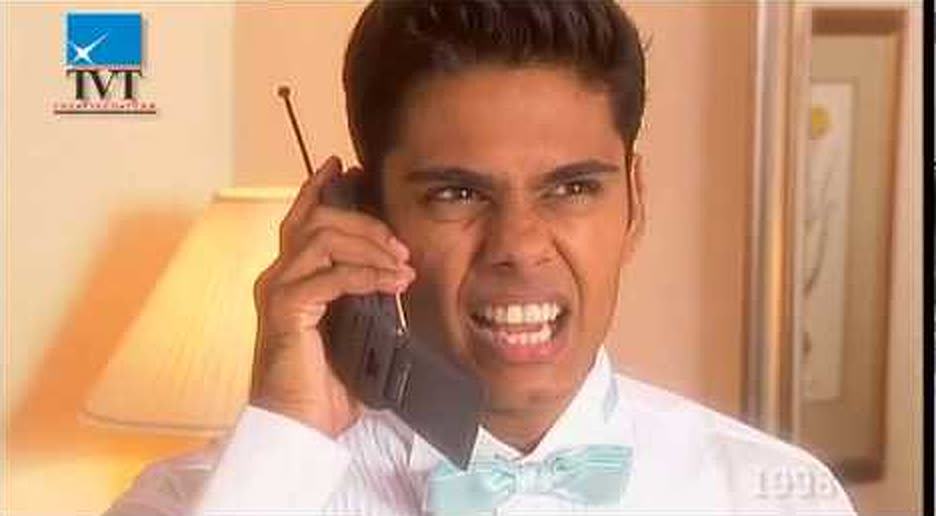 CH 01
The oldest picture on this set: a bank’s money transfer service, in Sinhala.
Watch on YouTube ↗Seven pieces, from a bank in 1998 to a web series in 2017. Different decades, different budgets, different screens. People still know whose they are.
Back to the drawing board.
Today’s creatives and creators have cutting-edge technology at their disposal, yet the challenge is clear. How do you build the narrative, weave the brand into the story, and still cut through the clutter?
Tracing that journey back to the drawing board, and building up from there, would help create content that tops the charts on recall, and helps brands grow and win audiences all over again.
It has been done before.
← All postsInterested in learning more?
We write when we have worked something out. It could be about marketing, creative or the tools behind them. Leave your email and the next resource will show up in your inbox 🐶
Only when there is a new article. Nothing else.